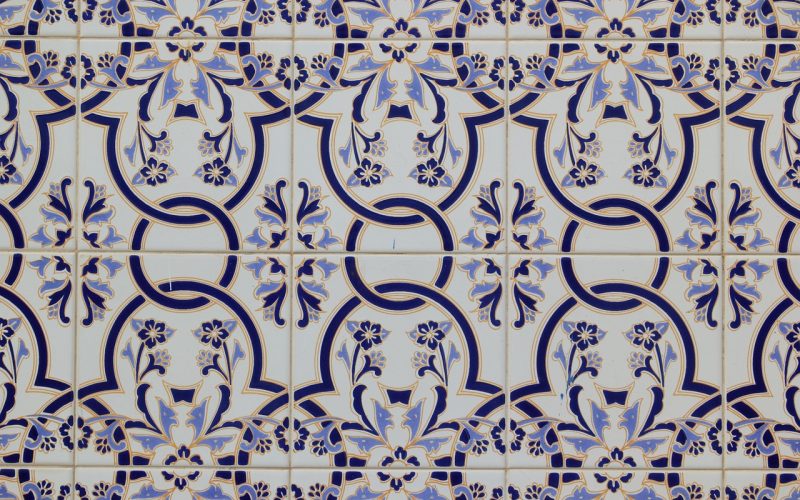
Ceramic tiles have been an integral part of human civilisation for thousands of years. With their origins steeped in function and aesthetics, these durable and versatile materials continue to captivate artisans, homeowners, and builders alike. By exploring the rich history of ceramic tiles, we can better appreciate how they endured through the ages and became a timeless part of architecture and design.
The origins of ceramic tiles
The history of ceramic tiles begins as far back as ancient Mesopotamia, around 4,000 BC. Crafted from natural materials such as kaolin clay and fired at high temperatures, these early tiles were primarily used to decorate temples, palaces, and other significant structures. Mesopotamians found that combining clay with other minerals, such as quartz and feldspar, produced a material that was not only aesthetically pleasing but highly durable. This remarkable discovery laid the groundwork for ceramic tile-making practices.
China soon followed suit in developing its own forms of tiles. Leveraging the abundance of china clay, or kaolin clay, Chinese artisans introduced highly refined processes that allowed finer detailing and vibrant glazes. By the Tang Dynasty (618–907 AD), advances in glazing techniques gave rise to porcelain tiles, which were extremely hard, smooth, and translucent. These developments established China as a dominant force in ceramic artistry.
The influence of ancient Egypt and the Islamic world
Around the same time, ancient Egyptians began incorporating ceramic tiles into their architectural projects. They crafted brightly coloured tiles using blue-green faience, a glaze-like material made from powdered quartz. These tiles adorned sacred buildings and tombs, symbolising eternity and the afterlife. Egyptian tile-making techniques would later influence the development of ceramic arts across the Mediterranean.
The Islamic world also played a crucial role in shaping the history of ceramic tiles. Artisans from the medieval Islamic period innovated complex geometric patterns and intricate arabesques, which became defining motifs for Islamic architecture. Employing coloured glazes and openwork designs, these tiles transformed humble mosques into breath-taking spaces. Islamic tile work gained prominence in regions such as Morocco, Turkey, and Iran, and their influence spread to parts of Europe.
European advancements in ceramic tiles
Ceramic tiles became an art form in Europe during the medieval period. Wealthy patrons and churches began commissioning elaborate mosaics made from colourful tiles, which adorned walls, floors, and altars. By the Renaissance period, Italian artisans elevated ceramic tiles to new artistic heights. Using majolica techniques, they introduced painted designs, which depicted mythological and biblical scenes. These artistic advancements led to ceramic tiles becoming sought-after symbols of prestige.
Portugal and Spain also rose to prominence for their ceramic tile-making traditions. The Portuguese developed Azulejos, ornamental glazed ceramic tiles that often depicted historical events and everyday life. Meanwhile, Spanish tile artisans integrated influences from both Islamic and Moorish designs, resulting in bold, patterned tiles that celebrated cultural fusion.
The role of industrialisation
The Industrial Revolution in the 19th century marked a pivotal shift in ceramic tile production. For the first time, tiles could be mass-produced, making them affordable for a wider audience. Factories in cities like Stoke-on-Trent, England, began leveraging mechanisation to produce high-quality decorative tiles that mimicked hand-painted designs traditionally only available to the affluent.
One of the defining characteristics of this era was the growing use of kaolin clay or china clay in manufacturing. Its purity and fine texture proved key to producing uniformly coloured tiles that met the high demand for industrial consistency. This innovation cemented ceramic tiles as not only a practical building material but also a popular design element for the burgeoning middle class.
Modern uses of ceramic tiles
Today, ceramic tiles are ubiquitous, adorning floors, walls, and outdoor spaces worldwide. Modern manufacturing processes have enabled endless possibilities in design, texture, and application. From the ultra-sleek look of contemporary tiles to highly textured, artisan-produced pieces, ceramic tiles remain at the forefront of interior and architectural design.
The use of kaolin clay remains essential in refinement processes for producing tiles that are both durable and visually stunning. Advances in digital printing technology now offer designers the ability to create lifelike effects, such as wood grains, marble veining, and intricate mosaics, while maintaining the practicality of ceramic.
The enduring legacy of ceramic tiles
The history of ceramic tiles reflects a fascinating blend of technological innovation and artistic curiosity. From ancient clay workers refining methods with kaolin to modern industry experts pushing design boundaries, ceramic tiles have stood the test of time. Their ability to adapt to new cultural contexts and style demands has ensured their lasting appeal.
Whether you're admiring a Moorish-inspired pattern, a Renaissance painting on tile, or a modern minimalist design, ceramic tiles remain a testament to craftsmanship, history, and timeless functionality. For anyone considering these versatile materials for their next project, ceramic tiles offer beauty and durability steeped in centuries of tradition.